
From the garden
The Garden I’m Still Learning to Trust
On taste-safe planting, gardening through a heatwave, and giving up hope that the first iteration has to be the final one.
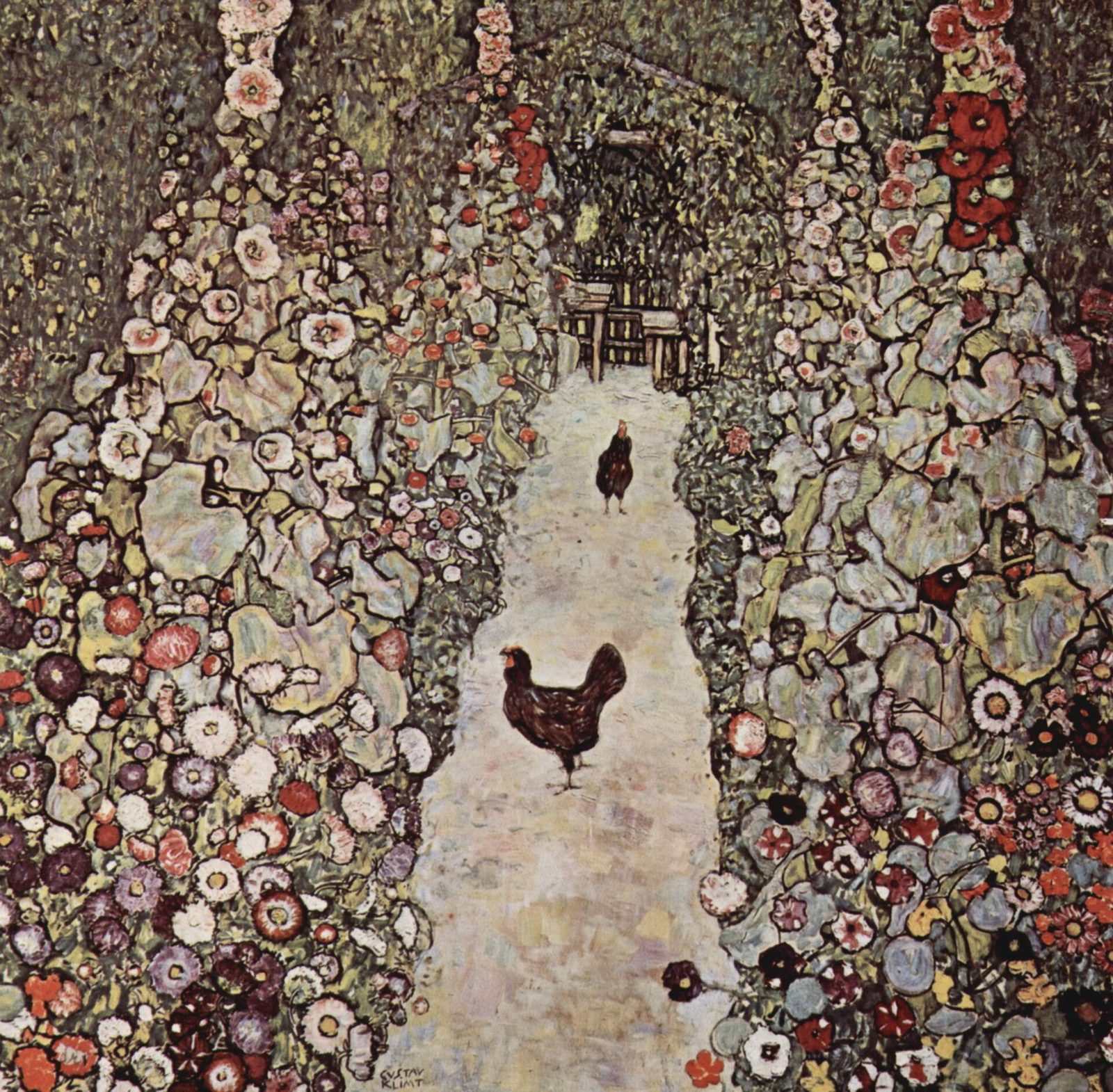
I have this dream of a taste-safe sensory garden for Infant Atelier. A place where babies can brush their hands through rosemary, crush mint between their fingers, smell lemon balm, pull at edible flowers, and taste something without me panicking.
I want an herb spiral with little pockets of scent and texture, and a long raised bed that changes with the seasons. I’ve designed the whole thing. I’ve also planted the first iteration of the raised bed on the terrace.
I’m choosing plants with very young children in mind: edible herbs, vegetables, and flowers that can be safely touched, smelled, and tasted. “Taste-safe” doesn’t mean unsupervised or unlimited eating, but it gives babies room to explore without every curious hand-to-mouth moment becoming an emergency.
It has also been so blisteringly hot in Los Angeles that I don’t feel like I’m peacefully tending anything. I feel like I’m plugging holes in a ship during a storm.
Something is always wilting. Something needs more shade. Something has been watered and somehow still looks personally betrayed by the sun. I move pots, improvise shade cloth, check the soil, and then realize Zosia is already halfway across the terrace investigating something completely unrelated to gardening.
Mindful gardening is asking a lot during a heatwave when you’re also keeping an eye on a very busy 13-month-old.
I keep thinking about something I learned through the Zen Caregiving Project and Young Urban Zen in San Francisco: “Give up hope and just do it.”
It sounds bleak written down, but it never felt bleak to me. I took it to mean: stop waiting to become the person who knows exactly what to do. Water the thing. Pull out the dead thing. Do the next part.
During early COVID, I gardened in exchange for rent in San Francisco. My landlord once told me that believing gardening is 80 percent learning from failure had given her enough ease to start using her intuition.
I’ve remembered that ever since.
I tend to get overwhelmed by instructions. Recipe books make me feel like I need to buy 14 ingredients before I’m allowed to make dinner. Gardening websites can turn one yellow leaf into a doctoral research project. Too much information pulls me away from the actual thing in front of me.
Lately, I’ve been learning to cook more intuitively. I taste. I adjust. I use what we have. I’m trying to garden that way too.
Maybe this plant needs water. Maybe it needs less. Maybe I put it in a terrible spot. I can look, make a choice, and see what happens.
I loved Alison Gopnik’s The Gardener and the Carpenter because its central metaphor has stayed with me. We can’t build a child toward a predetermined result. We can make conditions, pay attention, and then live with how much is outside our control.
Of course, actual gardening makes that metaphor feel much less graceful.
Sometimes the conditions are a Los Angeles heatwave, a determined toddler, and a row of seedlings that looked much happier three days ago. Sometimes tending means accepting that the first iteration will not be the final one.
Maybe that is what I want this garden to be for the children too. Not the perfect sensory garden from my drawings. A real one, where something gets eaten by a caterpillar and something else gets scorched because I forgot to move it.
The herb spiral is not built yet. The raised bed is a little chaotic. Yesterday I found myself standing over it with my phone, trying to identify what was wrong with a leaf while also stopping Zosia from eating something off the ground.
This is apparently what mindful gardening looks like here.
Give up hope and just do it.